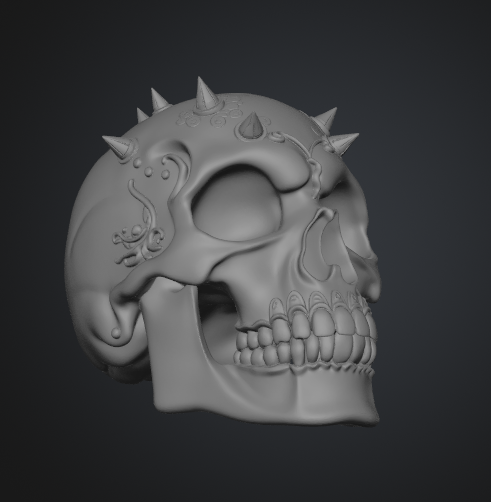
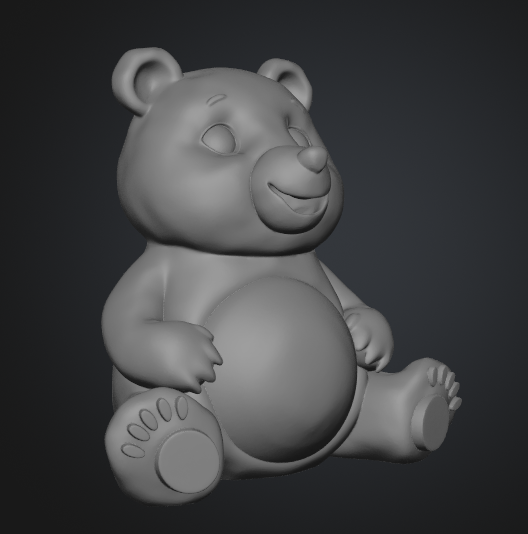
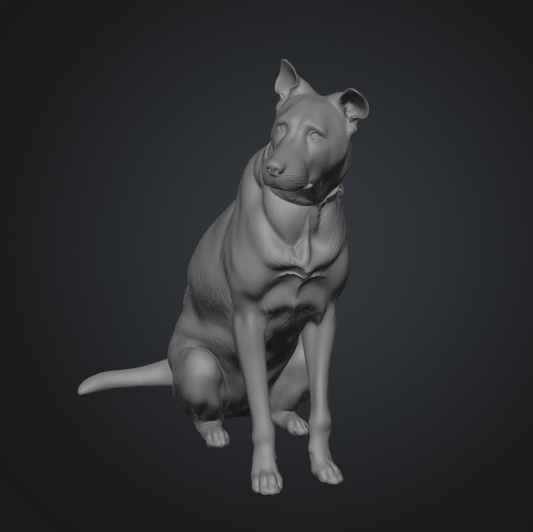
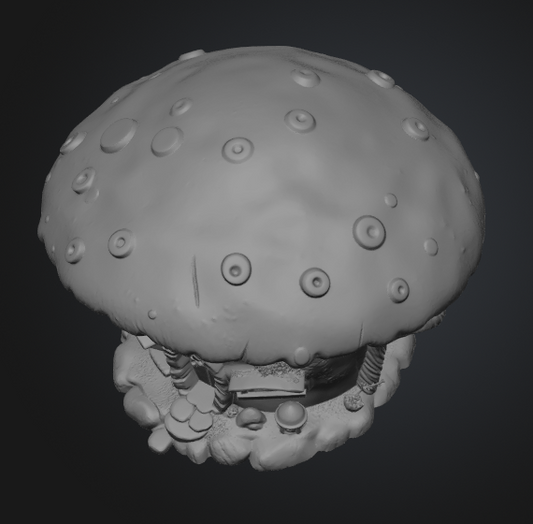
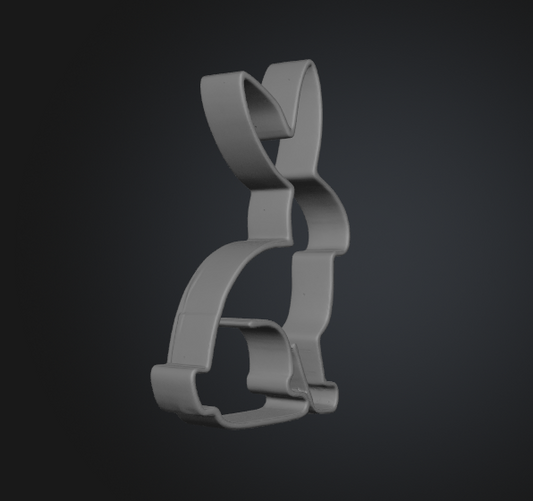
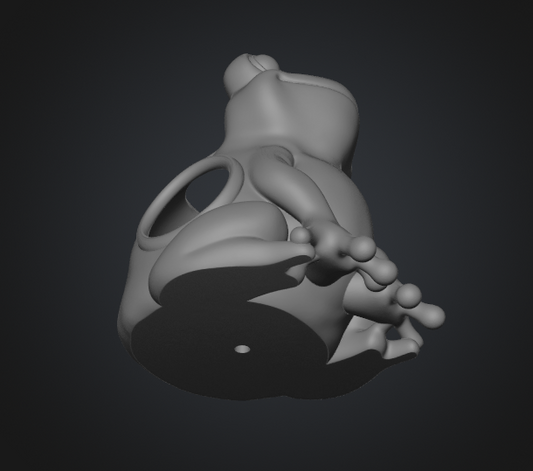
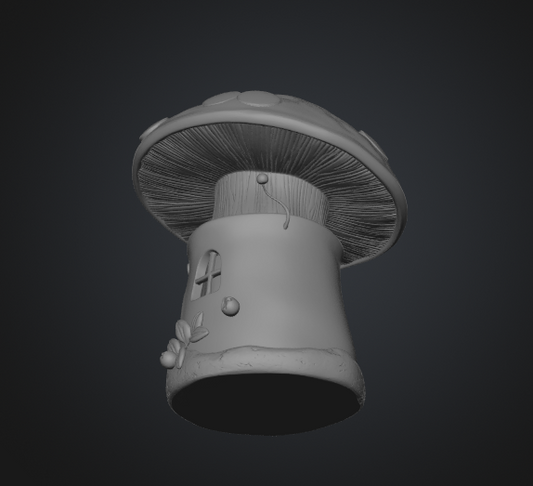
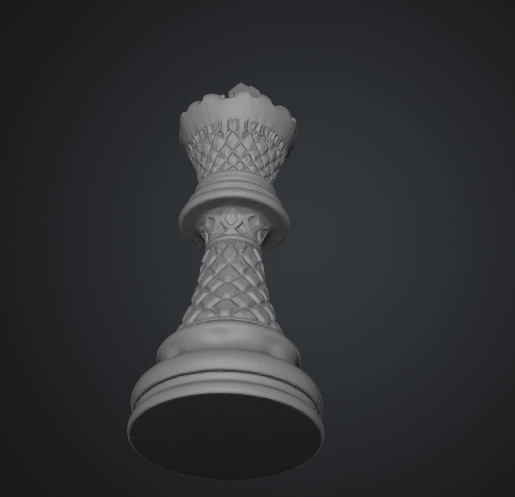
The 3D file format landscape has a lot of options and most of them come with trade-offs. STL files are excellent for printing but carry no texture or material information. OBJ files handle geometry and materials well but rely on separate texture files that have to travel alongside them and stay organized correctly or the whole thing falls apart. FBX files are powerful but proprietary and can behave inconsistently across different software environments. Every format solves some problems and creates others.
GLB files are the format that solves the most problems with the fewest trade-offs for the widest range of modern 3D applications. A GLB file is self-contained — geometry, textures, materials, animations, and every other piece of information needed to display the model correctly are packed into a single binary file that goes everywhere together and arrives intact every time. No missing texture files. No broken material references. No compatibility surprises when you open it in a different application than the one it was created in. Just a complete, working, correctly displaying 3D model in a single file that the modern 3D ecosystem was built to handle.
Every file here is an instant digital download. No subscriptions, no waiting, no recurring fees. You purchase, you download, and you are importing a complete working 3D model into your application immediately.
What Makes GLB the Right Format for Modern 3D Work
GLB is the binary version of the GLTF format — the Graphics Language Transmission Format that the Khronos Group developed specifically to solve the portability and efficiency problems that plagued earlier 3D file formats. Where older formats were designed for a world of desktop 3D software and local file systems, GLTF and GLB were designed for a world of web browsers, real-time rendering engines, augmented reality applications, and the constant file transmission between systems that modern 3D workflows require. The result is a format that loads faster, displays more consistently, and works in more modern applications than virtually any other 3D format currently in use.
-
Self-contained single file — everything needed to display the model correctly is packed into one file. Geometry, PBR materials, textures, normal maps, metallic roughness information, and animations all travel together in one binary package that cannot get separated or corrupted by a missing dependency file.
-
Web native format — GLB is the format that web browsers handle natively through WebGL and Three.js, making it the standard choice for interactive 3D web experiences, product visualization on e-commerce sites, and any application where 3D content needs to load and display correctly inside a browser without plugins or additional software.
-
Augmented reality ready — GLB is one of the primary formats for AR applications on both iOS and Android platforms. Apple's AR Quick Look feature, Google's Scene Viewer, and the major AR development frameworks all work with GLB files natively making it the format of choice for product visualization AR experiences and AR content creation.
-
Game engine compatible — Unity, Unreal Engine, Godot, and virtually every other modern game engine imports GLB files with strong compatibility and correct material rendering. The PBR material system that GLB uses aligns with the physically based rendering pipelines that modern game engines are built around, which means materials look correct in the game engine without requiring manual recreation of material properties that got lost in a format conversion.
-
Optimized file size — the binary format and built-in optimization of GLB means smaller file sizes than equivalent OBJ or FBX files carrying the same visual information. Smaller files load faster on the web, transfer more efficiently between systems, and perform better in real-time rendering applications where file size directly affects frame rate and user experience.
What's in This Collection
The GLB model selection covers the range of subjects, styles, and complexity levels that the diverse applications of this format actually serve.
-
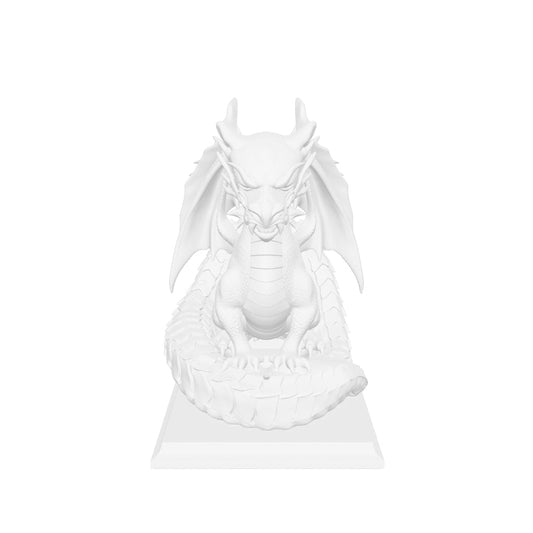
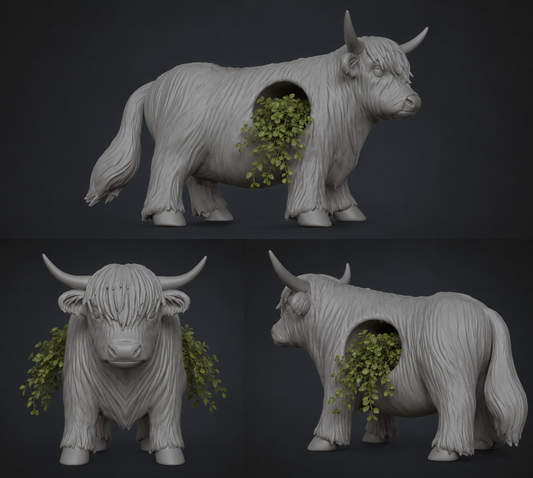
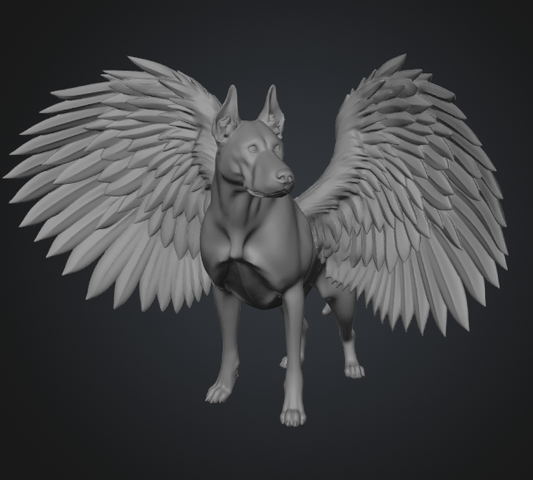
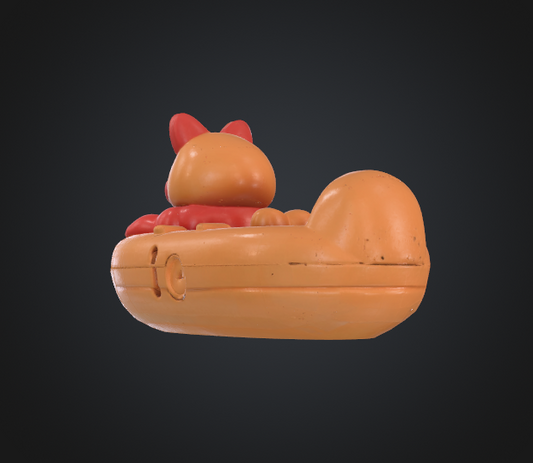
Character and figurine models — the organic complex geometry that showcases what GLB's material system does at its best. Character models with proper PBR materials that render correctly under any lighting condition, skin and fabric materials that respond realistically to environmental light, and the kind of character detail that game engines and real-time renderers need to produce results that look intentional rather than approximate. These models serve game development, digital art, virtual world building, and the growing market for 3D printable character files — many GLB models in this category also have STL versions available for the printing application alongside the GLB for rendering and real-time use.
-
Product visualization models — the 3D assets that e-commerce businesses, product designers, and marketing teams use to show products in interactive 3D on websites, in AR try-before-you-buy experiences, and in photorealistic product renders. GLB is the format that makes interactive product visualization on the web possible — the customer rotates the model in their browser, drops it into their room through AR, and makes purchase decisions with a level of product understanding that flat photography cannot deliver. These models pair naturally with our mockups collection for sellers building comprehensive product presentation toolkits.
-
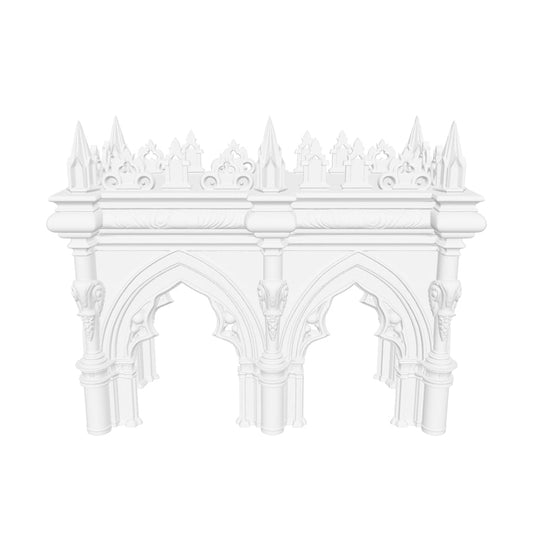
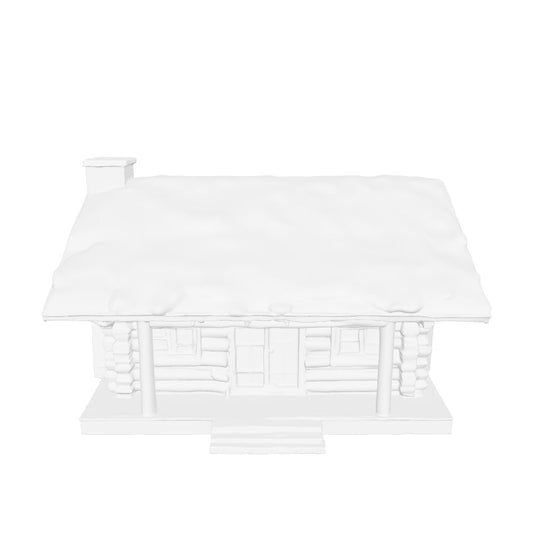
Architectural and interior models — the structural and environmental 3D assets that architects, interior designers, and real estate marketers use for visualization, virtual tours, and the interactive spatial experiences that modern property presentation demands. GLB files load efficiently in web-based 3D viewers that allow clients to explore spaces virtually before committing to physical visits or construction decisions — a workflow that has become standard in high-end real estate and architectural practice.
-
Nature and organic models — trees, plants, rocks, terrain features, and the natural world objects that populate 3D environments and give virtual spaces the visual richness that makes them feel inhabited rather than artificially constructed. GLB's efficient file handling makes these environmental assets practical for web and real-time applications where loading speed matters as much as visual quality — a dense forest scene built from GLB tree models loads in a fraction of the time the same scene would require with older format equivalents.
-
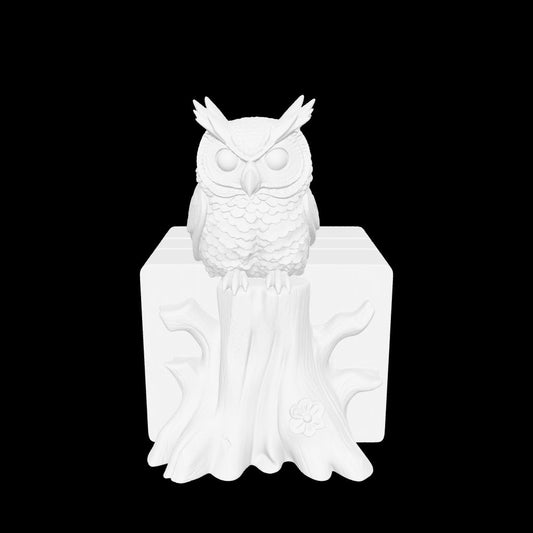
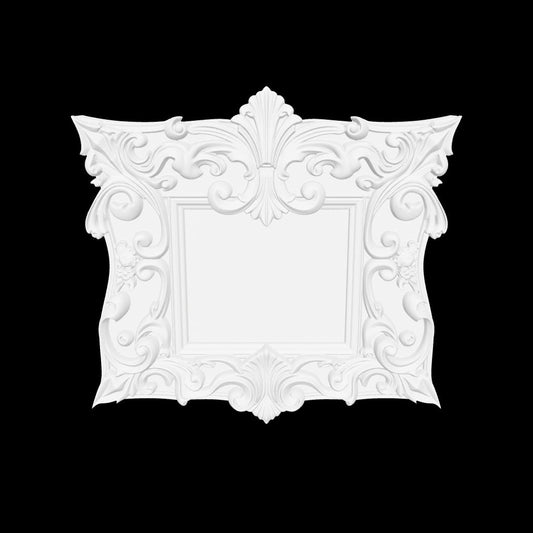
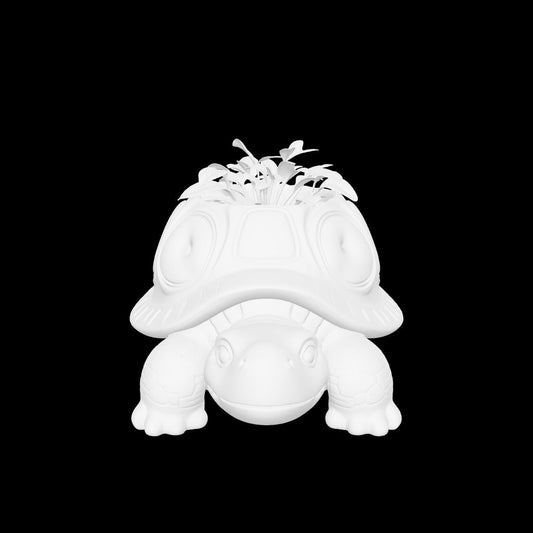
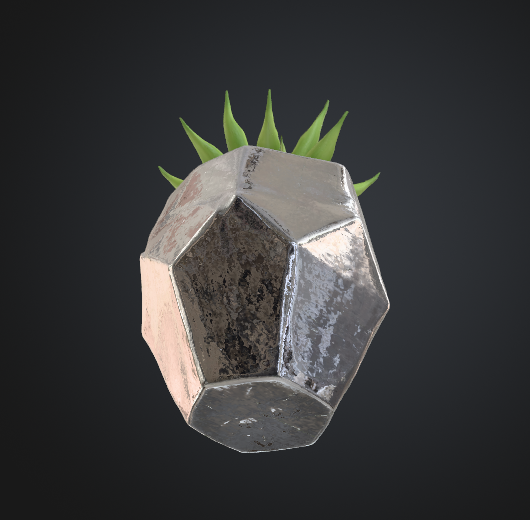
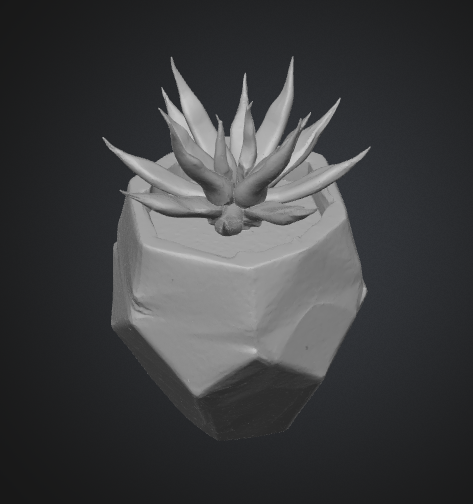
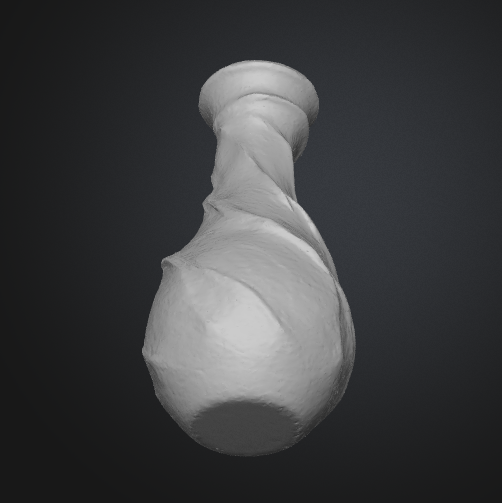
Decorative and artistic objects — sculptures, vases, ornamental pieces, and artistic 3D objects that serve both display applications and the growing market for 3D printable decorative items. Many decorative object GLBs in this collection also include STL versions for printing alongside the GLB for web display and rendering applications — giving buyers a single model that serves both the physical and digital application simultaneously.
-
Game assets and props — the environmental objects, props, and world-building elements that game developers need to populate virtual spaces with the visual density that makes a game world feel real. Furniture, vehicles, weapons, tools, structural elements, and the full range of game-ready props that indie developers and small studios need in large quantities across every environment type their game requires. GLB's game engine compatibility means these assets import cleanly and display correctly in Unity, Unreal, and Godot without the format conversion and material rebuilding that older formats often require.
-
Animated models — one of GLB's genuine advantages over STL and basic OBJ files is native animation support. Character rigs with walk cycles, mechanical objects with moving parts, environmental animations like waving flags and flowing water — all of these can be embedded directly in a GLB file and played back in any application that supports the format's animation system. Animated GLB files are especially valuable for web experiences, AR applications, and game development where movement and life are essential to the product's effectiveness.
Who This Collection Is For
-
Web developers and digital agencies building interactive 3D web experiences for clients — product configurators, virtual showrooms, interactive brand experiences, and any web application where 3D content needs to load quickly and display correctly across every browser and device without plugins or compatibility issues.
-
E-commerce businesses exploring interactive product visualization and AR try-before-you-buy features that reduce return rates and increase purchase confidence by giving customers a better understanding of what they are actually buying before it arrives. The furniture, home décor, and fashion industries have led the adoption of 3D product visualization and the format making it work is GLB.
-
Game developers working in Unity, Unreal Engine, Godot, and other modern game engines who need game-ready assets in a format that imports cleanly, displays correctly, and does not require hours of material recreation work before the asset looks the way it is supposed to look in the engine environment.
-
AR content creators building augmented reality experiences for iOS, Android, and the growing range of AR hardware platforms. GLB is the native format for AR Quick Look on iOS and Scene Viewer on Android — making it the practical standard for AR content that needs to work across both major mobile platforms without separate format versions.
-
3D artists and Blender users who need quality model assets as starting points for their own scenes, renders, and creative projects. Blender imports GLB files natively with full material fidelity — what you see in the file is what you get in Blender without rebuilding materials from scratch — making GLB one of the most practical source formats for artists who work primarily in the Blender ecosystem.
-
Virtual world builders creating content for metaverse platforms, virtual reality environments, and the growing range of social and creative 3D spaces that have adopted GLB as their standard import format because of its efficiency, compatibility, and self-contained nature.
-
3D printing enthusiasts who also do rendering and visualization work alongside their printing — using the GLB version of a model for photorealistic product renders and the STL version for the actual print. Having both formats from a single purchase gives makers the flexibility to use the same model across every part of their workflow without format conversion.
Software Compatibility
GLB files work natively in an exceptionally broad range of modern software tools — broader than virtually any other 3D format currently in common use.
-
Blender — native GLB import and export with full material fidelity. One of the most common Blender workflows for asset acquisition is importing GLB files from external sources and using them directly in Blender scenes and renders without any additional setup.
-
Unity — imports GLB files through the GLTFast package with strong material compatibility and support for the animation system that GLB files can carry.
-
Unreal Engine — imports GLB through the built-in GLTF import pipeline with material conversion that maps GLB's PBR material system to Unreal's material editor.
-
Godot — native GLTF and GLB import with strong material and animation support across the engine's rendering pipeline.
-
Three.js and Babylon.js — the major web 3D libraries both have first-class GLB support as their primary recommended format for web 3D content.
-
Sketchfab — the most popular platform for sharing and embedding 3D content online uses GLB as one of its primary upload formats.
-
Adobe Substance and Dimension — support GLB import for texturing, compositing, and product visualization workflows.
-
Apple Reality Composer and Reality Converter — use GLB as a source format for creating AR experiences on Apple platforms through the AR Quick Look pipeline.
Pair this collection with our STL 3D print files, OBJ files collection, and 3D printable models for a complete 3D asset library that covers every format and every application in the modern 3D workflow — from desktop printing to web visualization to game development to augmented reality. Whatever your 3D project requires there is a format in this library that serves it and a model in this collection worth starting with.
New GLB files get added regularly across every category, complexity level, and application type we cover. Check our newest releases for the latest model additions and our best sellers to see which GLB files are downloading the most right now. Need a specific model, character, environment asset, or 3D object in GLB format that is not in the collection yet? Request a file and tell us exactly what your project needs — GLB file requests are some of the most technically interesting ones we work on and we take every single one seriously.